

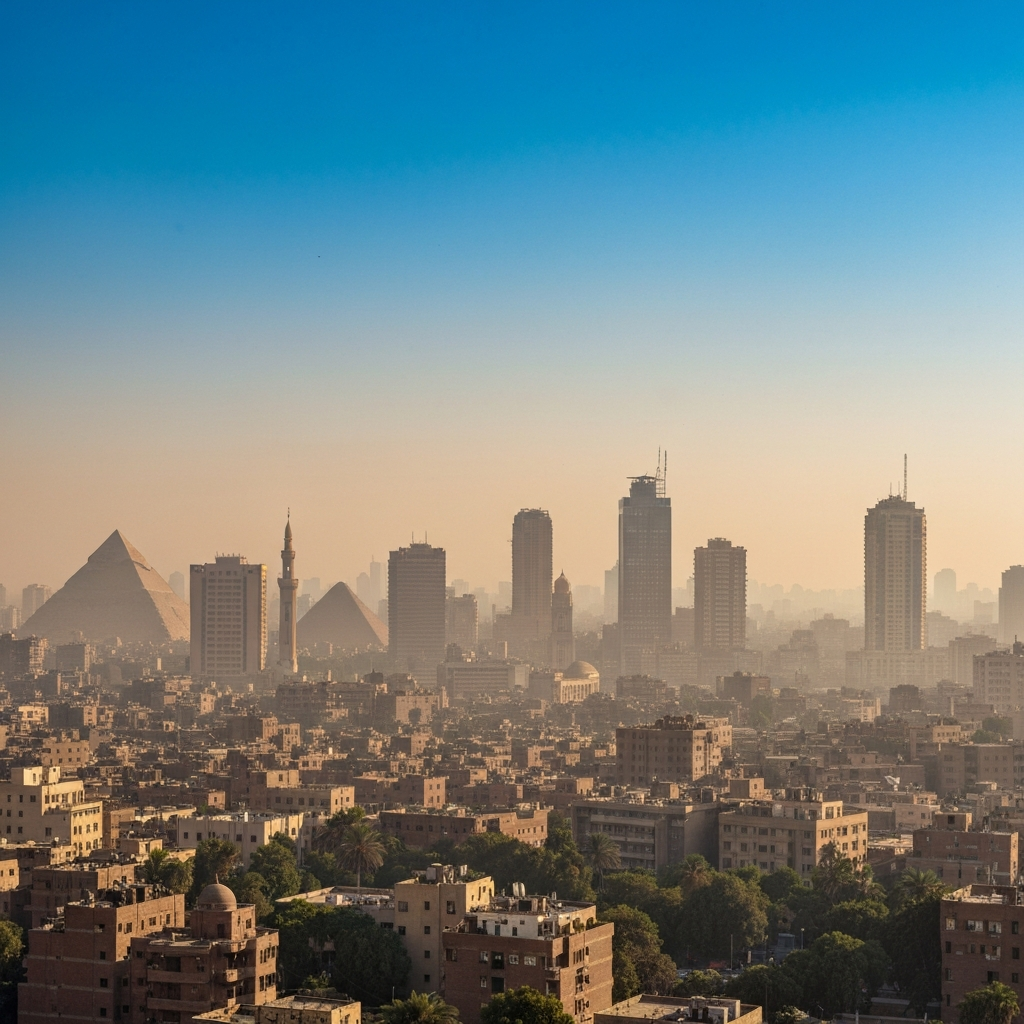
Cairo, Egypt’s bustling capital, experiences a desert climate characterized by two primary seasons: a long, hot summer and a mild winter. Understanding these patterns is essential for residents and visitors alike.
Seasonal Overview
Summer (May to October): During these months, temperatures often exceed 35°C (95°F), with June and July being particularly hot. The city remains dry, with minimal rainfall.
Winter (November to April): Winters are mild, with average high temperatures around 19°C (66°F) in January. Rainfall is scarce, averaging between 25–50 mm annually.
Environmental Challenges
Air Pollution: Cairo faces significant air quality issues, primarily due to road transport, which accounts for 33% of PM2.5 pollution. Aging vehicles and traffic congestion exacerbate the problem.
Waste Management: The city generates over 15,000 tons of solid waste daily. Approximately 60% is managed by formal and informal sectors, while the remainder contributes to environmental and public health concerns.
Addressing these environmental challenges requires concerted efforts from both authorities and the community to ensure a healthier living environment for all.