

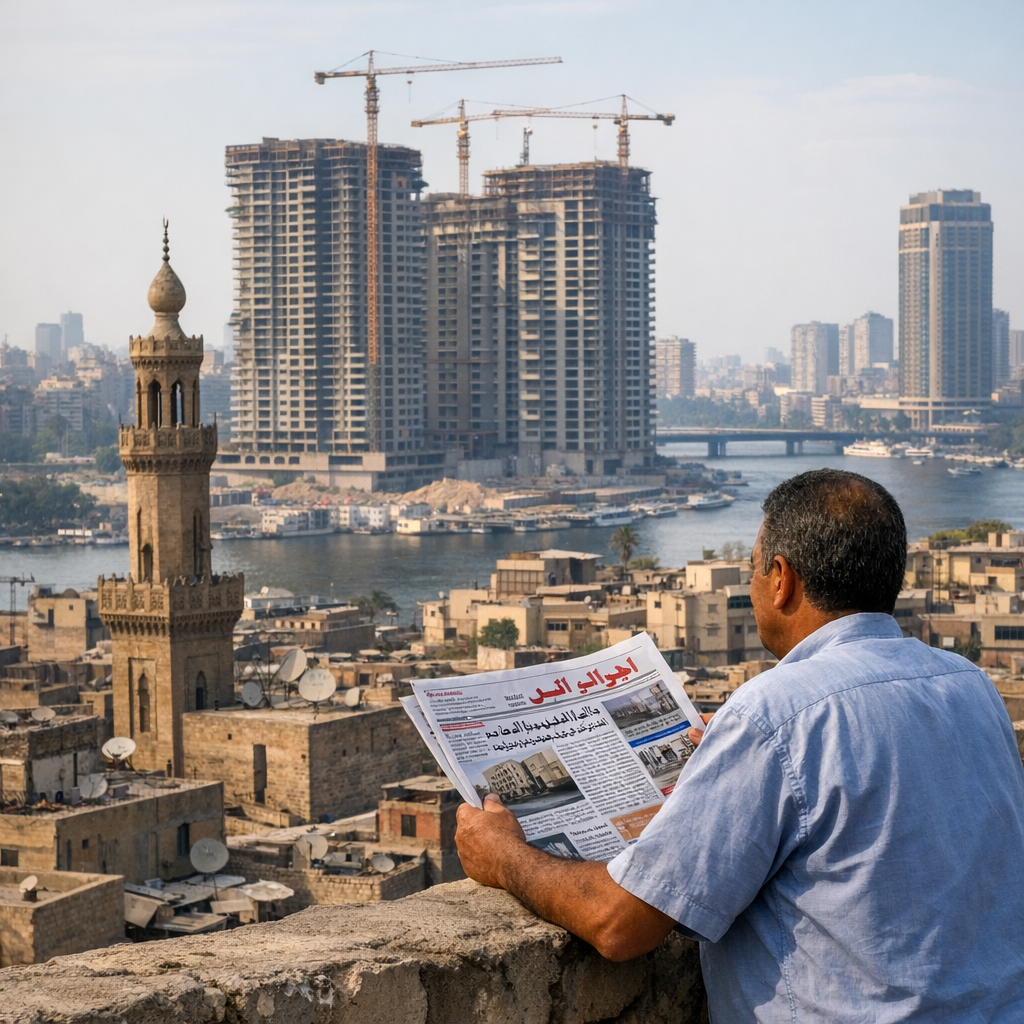
Cairo’s real estate market is undergoing significant transformations, influenced by economic shifts, demographic changes, and evolving consumer preferences. This article delves into the current trends shaping the city’s housing sector, offering insights for potential buyers, renters, and investors.
Residential Market Dynamics
The residential sector remains a cornerstone of Cairo’s real estate landscape. Recent data indicates a steady increase in housing stock, with approximately 7,500 units delivered in the third quarter of 2025, bringing the total to around 317,000 units. This growth is primarily concentrated in areas like the New Administrative Capital’s R7 district, reflecting ongoing urban expansion efforts.
Sales prices in suburban areas such as Sixth of October and New Cairo have seen substantial year-on-year increases, averaging 89%. This surge is attributed to persistent demand and the appeal of modern, spacious living environments.
Rental Market Trends
The rental market in Cairo is experiencing notable growth, driven by high demand and shifting consumer behaviors. In the 6th of October district, apartment rentals increased by 17.6% in Q3 2025 compared to the same period the previous year. Similarly, New Cairo witnessed a 16.9% rise in apartment rentals during the same timeframe.
Notably, Zamalek continues to command the highest rental rates, with average monthly rents reaching EGP 50,000 for a 100-150 m² unfurnished apartment in 2024. This reflects the area’s premium location and high-end demand.
Developer Strategies and Market Adaptations
In response to evolving market conditions, developers are adopting more flexible and value-driven approaches. Extended payment plans, reduced down payments, and enhanced property finishes are becoming common strategies to attract buyers. This shift aims to balance affordability with long-term value, ensuring sustained investor confidence.
Additionally, there’s a growing emphasis on mixed-use developments that integrate residential, commercial, and recreational facilities. These projects cater to the increasing demand for comprehensive living environments, particularly in satellite cities like New Cairo and the New Administrative Capital.
Policy Changes and Their Implications
Recent legislative reforms are set to reshape Cairo’s rental landscape. The phasing out of the decades-old ‘old rent’ system, which allowed tenants to pay fixed, often nominal rents, is a significant development. Under new legislation passed in 2025, all old rental contracts will expire by 2030 for commercial and 2032 for residential leases, enabling landlords to renegotiate terms or reclaim properties. While this move aims to address market distortions, it also raises concerns about potential displacement and housing affordability.
Looking Ahead
Cairo’s real estate market is poised for continued evolution, influenced by economic stabilization, policy reforms, and changing consumer preferences. Stakeholders should remain attentive to these dynamics, ensuring that development strategies align with the city’s growing and diverse housing needs.