

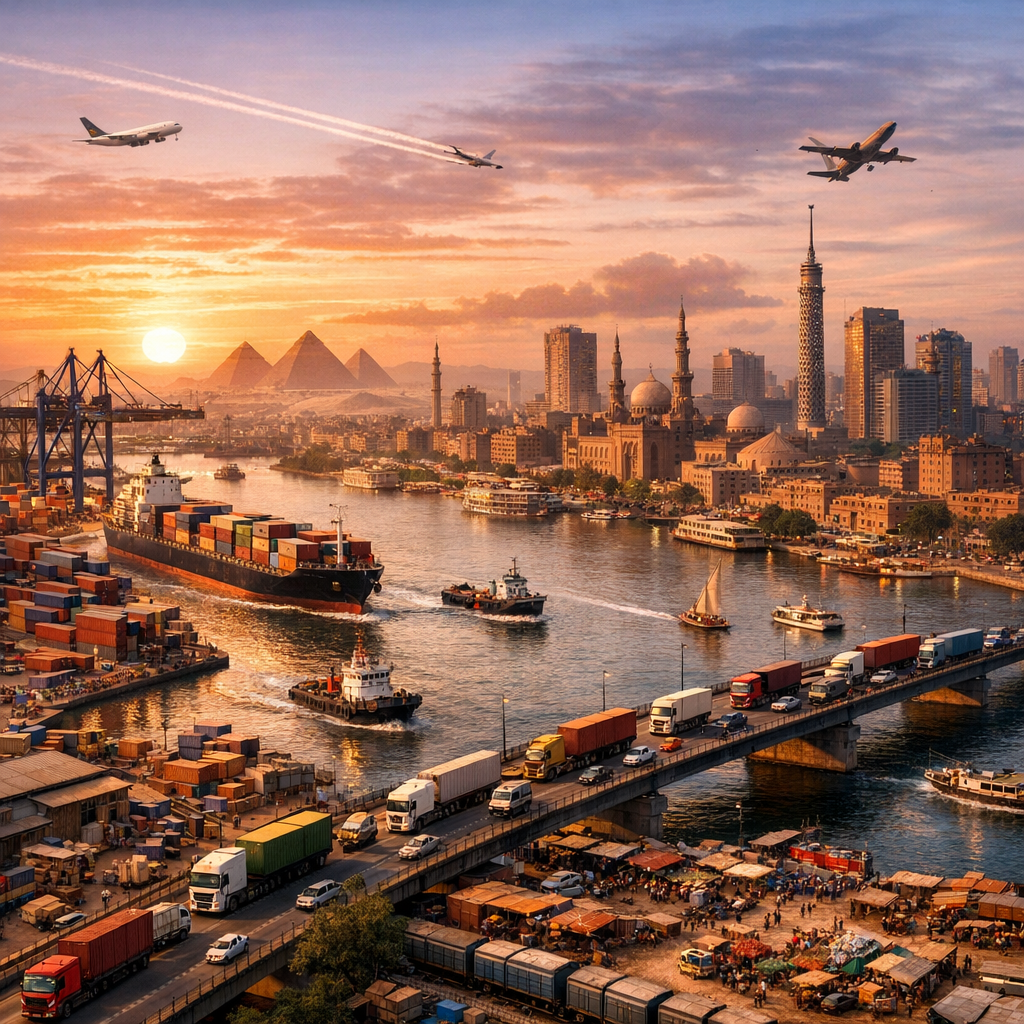
Egypt’s economy is facing substantial challenges due to recent global conflicts, particularly the U.S.-Israel war with Iran. These events have disrupted energy supplies, trade routes, and financial markets, leading to increased oil prices and inflationary pressures.
Energy Supply Disruptions
The conflict has caused a surge in global oil prices, with Brent crude rising to $73 per barrel by late February 2026. This escalation has strained Egypt’s energy sector, which relies heavily on imported fuel. The government has responded by accelerating the receipt of liquefied natural gas (LNG) shipments to mitigate shortages. However, the rising costs have led to a 30% increase in vehicle fuel prices and the implementation of price caps on bread to control inflation.
Trade and Shipping Challenges
Maritime trade routes have also been affected. Attacks by Houthi rebels in the Red Sea have disrupted shipping, leading to a decline in Suez Canal revenues—a vital source of foreign currency for Egypt. The government is reviewing economic indicators and considering adjustments to address these disruptions.
Financial Market Volatility
The Egyptian pound has experienced depreciation against major currencies, with the dollar climbing approximately 2.6% since the onset of the conflict. This depreciation has increased the cost of imports, contributing to inflationary pressures. The International Monetary Fund (IMF) has approved the release of $2.3 billion to Egypt, acknowledging progress in economic reforms but emphasizing the need to reduce the state’s dominant role in the economy.
Social and Economic Impacts
These economic challenges have had a tangible impact on daily life. The government imposed early closing times for businesses to conserve electricity, disrupting Cairo’s renowned nightlife and affecting small businesses reliant on late-night operations. Additionally, the rising cost of living has placed further strain on households, with around 30% of Egypt’s population living below the poverty line.
In summary, global conflicts have significantly reshaped Egypt’s economic landscape, presenting challenges that require strategic policy responses to ensure stability and growth.