

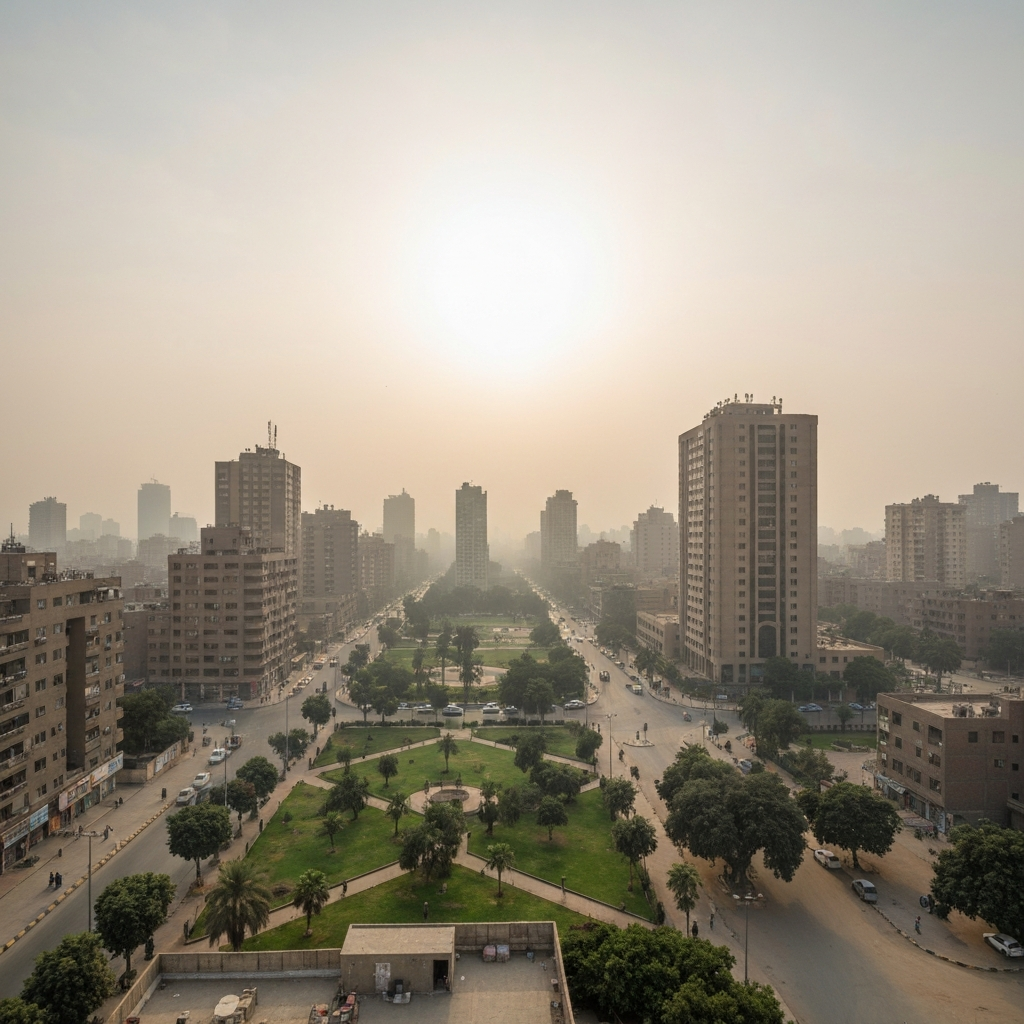
Cairo, a city renowned for its rich history and vibrant culture, is currently grappling with significant environmental challenges that threaten the health and well-being of its residents. Chief among these issues are escalating air pollution levels and a critical shortage of green spaces.
Escalating Air Pollution
Recent data indicates that Cairo has been ranked among the top ten most polluted cities globally. As of April 17, 2026, the city’s Air Quality Index (AQI) exceeded 150, categorizing conditions as unhealthy. The primary contributors to this pollution include industrial emissions, vehicular exhaust, open burning of waste, and construction dust. Notably, road transport accounts for approximately 33% of the city’s PM2.5 air pollution, with aging private cars and taxis exacerbating the problem. Additionally, agricultural practices such as slash and burn contribute significantly to the deteriorating air quality.
Diminishing Green Spaces
Parallel to the air pollution crisis is the alarming reduction in Cairo’s green spaces. The city currently offers only about 0.74 square meters of green space per person, starkly below the World Health Organization’s recommended minimum of nine square meters. This deficiency is largely attributed to rapid urban development and inadequate urban planning, leading to the conversion of parks and gardens into residential and commercial areas. The loss of these green spaces not only diminishes the city’s aesthetic appeal but also removes natural air filters, further exacerbating pollution levels.
Government Initiatives and the Path Forward
Recognizing the severity of these environmental issues, the Egyptian government has initiated several measures aimed at integrating environmental considerations into local development plans. Efforts include improving solid waste management, enhancing sanitation infrastructure, and strengthening environmental inspection systems. However, the effectiveness of these initiatives hinges on their implementation and the active participation of the community.
Addressing Cairo’s environmental challenges requires a multifaceted approach. Enhancing public transportation to reduce vehicular emissions, implementing stricter regulations on industrial pollutants, and promoting urban greening projects are essential steps. Moreover, fostering public awareness and encouraging community involvement are crucial for the success of these initiatives.
As residents of this historic city, it is imperative that we collectively advocate for and participate in sustainable practices to preserve Cairo’s environment for future generations.