

By Rana Ezzat
Cairo’s weather isn’t just about hot summers and mild winters — it intertwines with wider environmental changes driven by urban growth, air quality issues, and shifting rainfall patterns. These shifts affect how we live, the air we breathe, and even how we prepare our homes.
Summer’s growing intensity
From May through October, Cairo enters its long, dry, and blazing season. July typically brings peaks above 35–38 °C during the day, while nights stay warm, offering little relief. Urban areas heat up even more due to asphalt, concrete, and limited green spaces — what experts call the “urban island effect.” Rapid city expansion and more buildings with little shading intensify this effect. Studies show summers now bring increasing heat stress year over year.
Winter weather — mild, but tricky
Winter in Cairo — roughly December to February — remains relatively mild. Daytime highs fall to around 18‒20 °C, while nights can dip to single digits in some areas. Rainfall is rare but happens mostly in January. When showers come suddenly, streets with poor drainage flood easily. These episodic rains become more disruptive due to urban surfaces unable to absorb much water.
Air pollution and seasonal haze
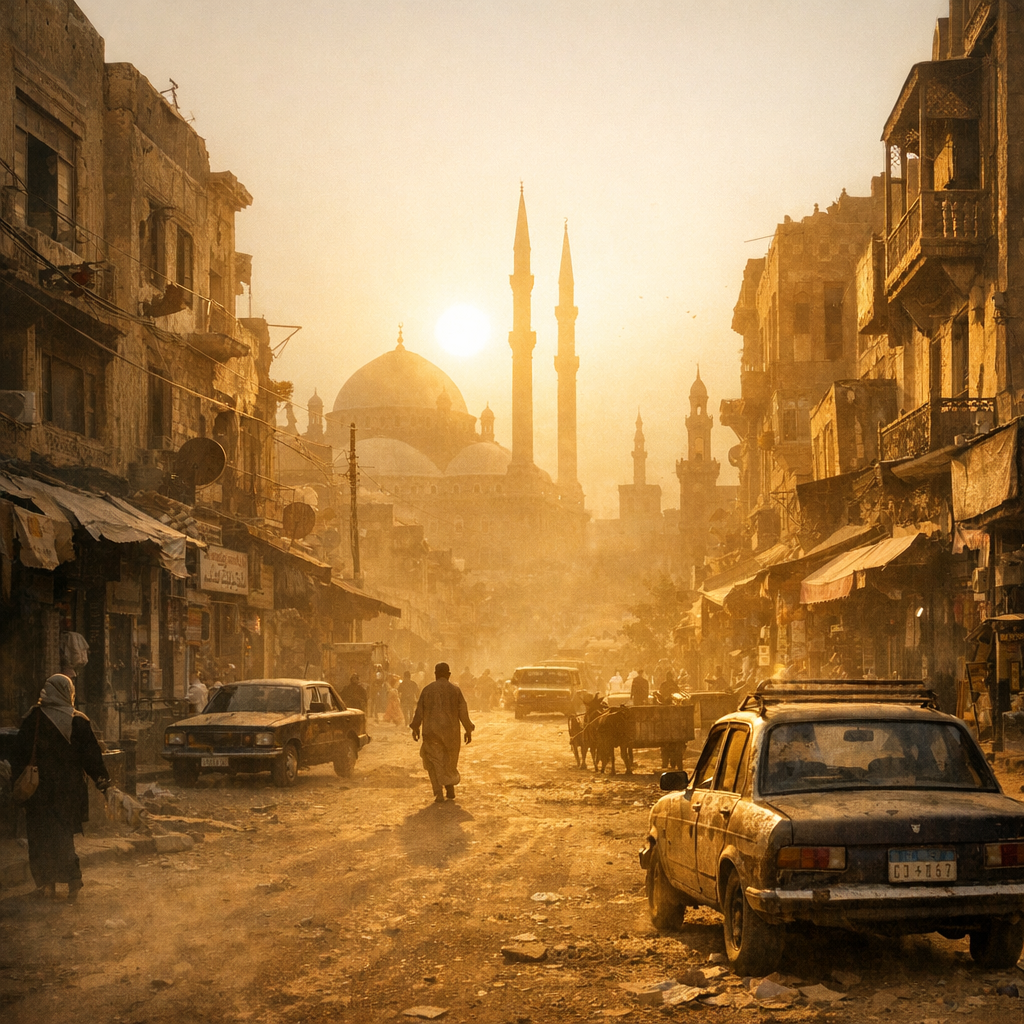
Air quality in Greater Cairo is among the most pressing environmental health concerns. Two periods particularly worsen conditions: in winter, when temperature inversions trap pollutants near the ground; and in the transitional months (spring and autumn), when desert dust — especially from Saharan winds like the khamsin — blows into the city. During autumn and early winter, smoke from agricultural burning in the Nile Delta adds to smog. Vulnerable groups — those with asthma, the elderly, children — feel these effects strongly.
Changing rainfall and water concerns
Cairo receives very little rainfall overall — usually not more than 20–25 millimeters annually. Most of this falls during a short period in winter. However, studies show rainfall is becoming more variable; dry spells lengthen, and when rain does fall, it sometimes comes in surges that overwhelm infrastructure. At the same time, growing population pressure and climate change worsen challenges around clean water access and flood resilience.
What can Cairo’s residents do?
- Watch the forecast: plan outdoor activities for early morning or after sunset during summer, and stay aware of air quality alerts.
- Beat the heat at home: use shades, open windows at night, and seek shaded green spaces.
- During hazy days, limit exposure by staying indoors when possible, using masks or air purifiers, especially if you have respiratory conditions.
- Support green infrastructure: more trees, parks, and water drainage improvements can help reduce heat and manage rain surges.
Cairo’s weather is changing, but with awareness and adaptation, we can lessen its impact. Staying informed, adjusting daily habits, and pushing for long-term changes in how our city is planned will help us all breathe easier and live more comfortably.