

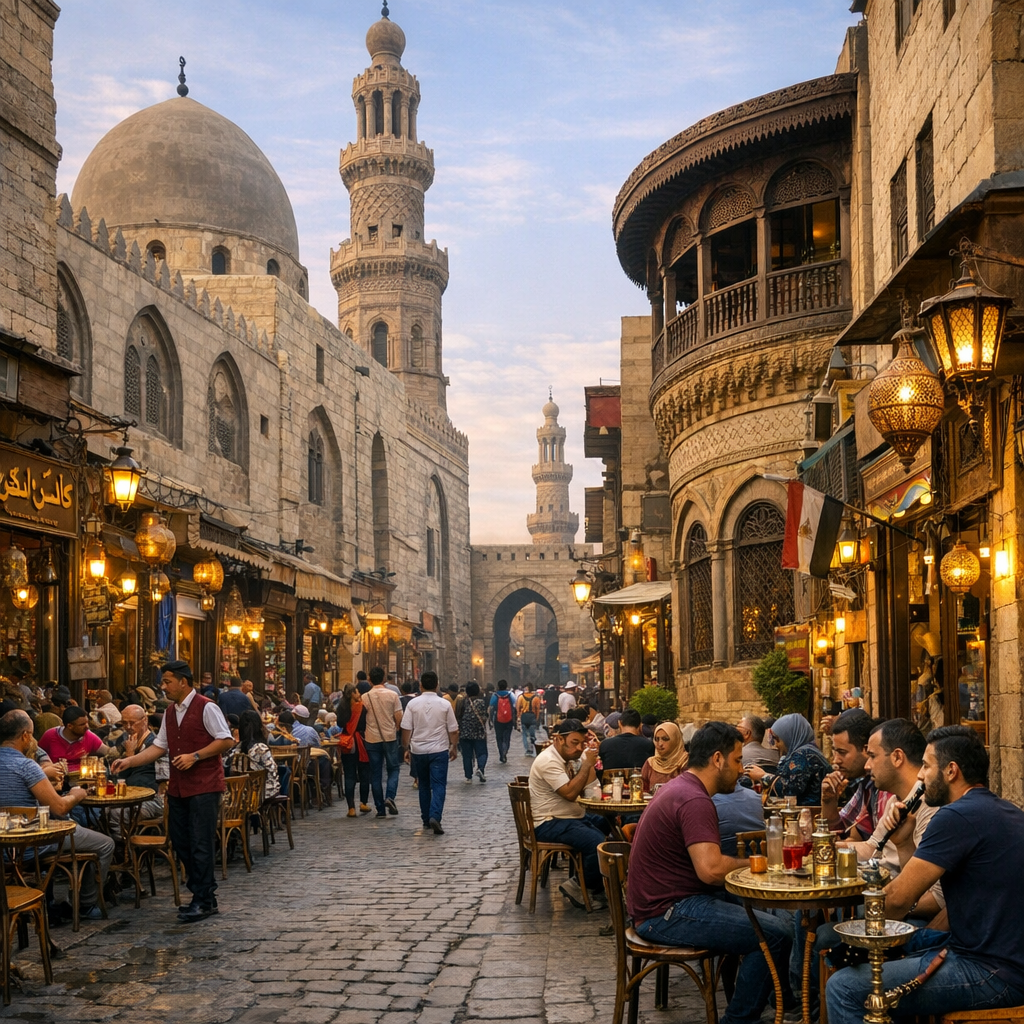
The Cairo governorate has announced a suspension of new licenses for cafés and restaurants in the districts of Heliopolis, Maadi, Zamalek, and Garden City. This decision comes in response to growing concerns from residents about noise pollution and the increasing commercialization of these historically residential areas.
The move aims to preserve the architectural character and heritage identity of these neighborhoods, which have seen a surge in commercial activities in recent years. Residents and local associations have voiced their concerns over disturbances caused by the rapid expansion of cafés and restaurants, leading to issues such as increased noise levels, traffic congestion, and the conversion of residential properties into commercial spaces.
The ban applies solely to new license applications, allowing existing licensed establishments to continue operations without changes. This measure aligns with a broader regulatory effort by Egyptian authorities to tighten control over commercial activities in residential zones and maintain the distinctive urban fabric of historic districts.
Law No. 154 of 2019 on public shops introduced a unified licensing framework for retail outlets, restaurants, and cafés, granting authorities wider powers to regulate operating conditions, opening hours, and location approvals. The Higher Committee for Public Shop Licensing, established under this law, approved the recent decision to suspend new licenses in the specified districts.
In recent years, Heliopolis, Maadi, Zamalek, and Garden City have experienced a notable increase in cafés, restaurants, and nightlife venues. While this growth reflects strong demand in the food and beverage sector, it has also led to mounting complaints about noise, traffic congestion, parking shortages, and the conversion of residential apartments into commercial spaces.
Local community groups have played a significant role in advocating for this change. For instance, the Zamalek Association for Development (Zad) conducted a year-long campaign, mapping every restaurant and café in their district. Their findings revealed a density of establishments higher than in other upscale neighborhoods, prompting authorities to take action.
While the suspension of new licenses is seen as a positive step toward preserving the heritage and residential nature of these districts, challenges remain in its implementation. Community vigilance and cooperation with local authorities will be crucial in ensuring the effectiveness of this measure and maintaining the unique character of Cairo’s historic neighborhoods.