

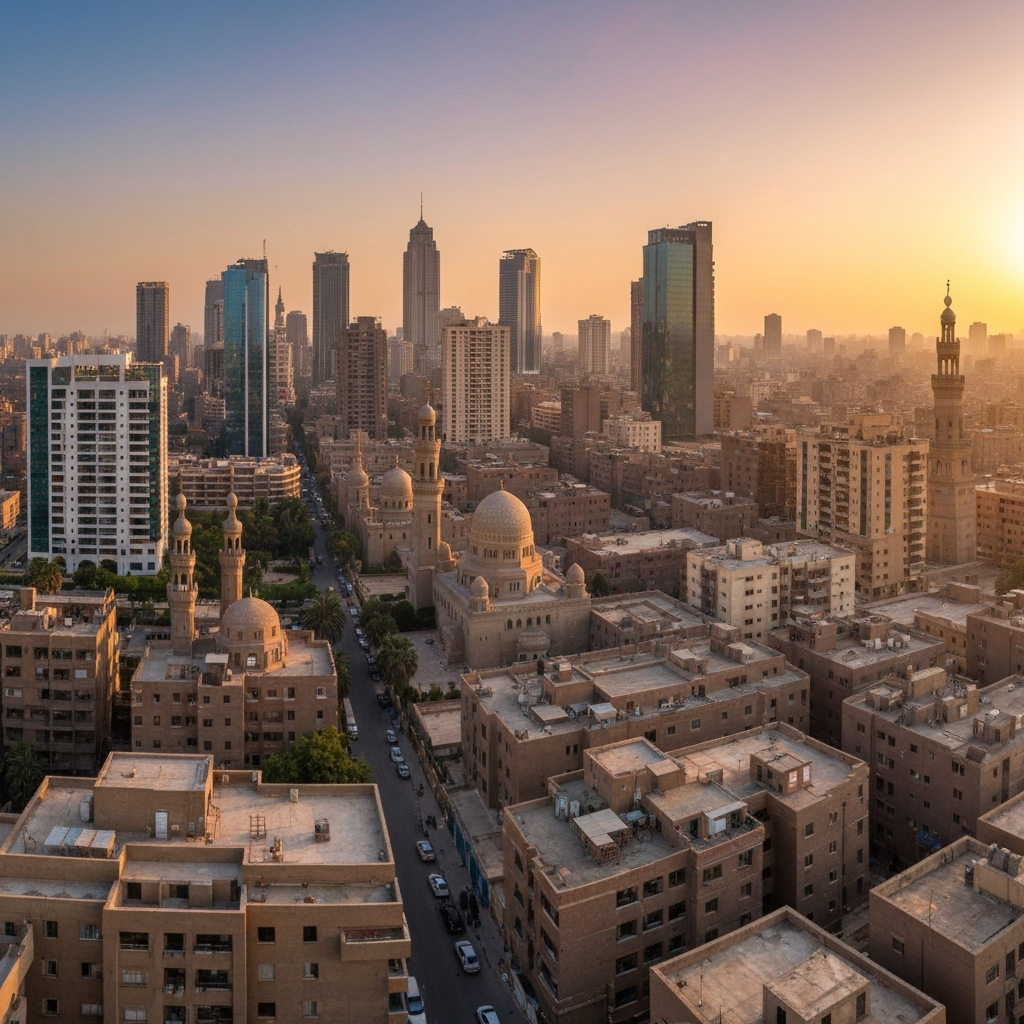
Cairo’s real estate market is undergoing significant transformations, influenced by economic shifts, demographic changes, and evolving consumer preferences. Understanding these dynamics is crucial for prospective buyers, renters, and investors.
Residential Market Trends
The residential sector remains a cornerstone of Cairo’s real estate landscape. In recent years, developers have reported substantial sales growth, with a notable increase in unit prices. For instance, Egypt’s top 10 developers reported combined sales of EGP 290 billion in Q1 2025, a 23% increase compared to the same period in 2024. These sales represented about 18,500 units at an average price of EGP 15.7 million per unit, reflecting a 25% increase in pricing year-on-year.
Areas such as East Cairo’s Fifth Settlement, the New Administrative Capital, and coastal developments along the North Coast have seen significant price escalations. Prices per square meter in these areas have risen notably, with the Fifth Settlement ranging from EGP 60,000 to 200,000 and the New Administrative Capital from EGP 50,000 to 70,000.
Rental Market Dynamics
The rental market in Cairo has experienced substantial growth, driven by high demand and economic factors. National average gross rental yields reached approximately 6.77% in Q2 2025, up from 5.53% in Q1 2024. In New Cairo, yields on studio apartments were reported at over 10%, while one-bedroom and two-bedroom apartments yielded 7.18% and 7.06% respectively.
Notably, Zamalek continues to rank as Cairo’s most expensive place to rent, with average monthly rental rates increasing 2.5 times since 2020 to reach EGP 50,000 in 2024 for a 100-150 m² unfurnished apartment.
Market Drivers and Influences
Economic Factors
The Egyptian pound’s significant devaluation in 2024 led developers to raise property prices to offset increased material and import costs. Inflation, while stabilizing slightly in early 2025, continues to influence pricing and buyer behavior. Many buyers now seek properties as a hedge against inflation, fueling demand and supporting price appreciation.
Domestic Demand
Over 95% of real estate transactions in Egypt are driven by domestic buyers. This strong local demand is sustained by population growth, urbanization, and lifestyle shifts among Egypt’s expanding middle and upper-middle classes. Many of these buyers are looking for long-term investments, secure rental income, or homes in newer satellite cities with improved amenities.
Developer Strategies
To align with changing affordability conditions, many developers have altered their product offerings. The focus has shifted from sprawling villas to smaller, ready-to-move-in apartments with competitive prices. Additionally, developers are offering extended payment plans of up to 10 years, often interest-free, to attract buyers who are wary of bank-financed mortgages amid high interest rates.
Regulatory Changes
Recent legislative reforms are set to reshape Cairo’s rental market. The decades-old “old rent” system, which allowed tenants to pay extremely low, fixed rents while retaining generational rights to occupy the property, is being phased out. Under new legislation passed in 2025, all old rental contracts will expire by 2030 for commercial and 2032 for residential leases, allowing landlords to reclaim or renegotiate terms.
While this reform aims to address market distortions, it has raised concerns about potential displacement of long-term tenants and the need for measures to protect vulnerable renters.
Looking Ahead
Cairo’s real estate market is poised for continued evolution. Prospective buyers and investors should stay informed about market trends, economic indicators, and regulatory changes to make well-informed decisions. Engaging with reputable developers and seeking professional advice can provide valuable insights into navigating this dynamic landscape.